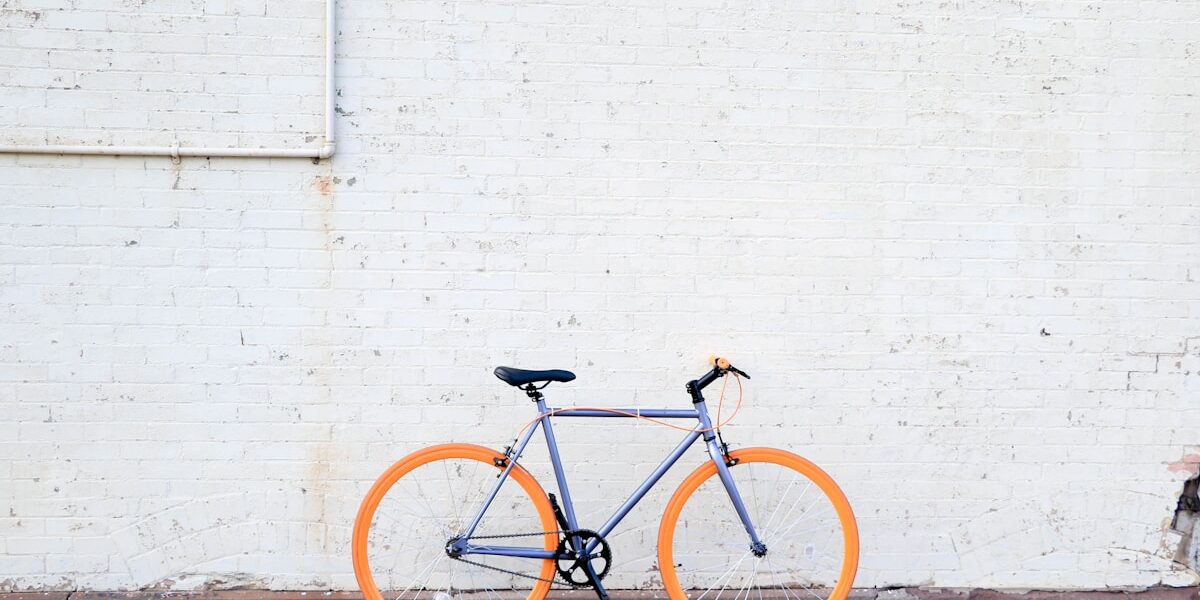
Understanding Aerodynamic Drag in Cycling
At speeds above 15 mph, aerodynamic drag accounts for over 80% of the resistance a cyclist must overcome. Understanding how drag works is the first step to getting faster without getting fitter.
The Physics of Aerodynamic Drag
Aerodynamic drag follows a deceptively simple formula: Drag = 0.5 x Air Density x Velocity² x Drag Coefficient x Frontal Area
The critical insight is that drag increases with the square of velocity. Double your speed, and you quadruple your drag. This is why small aerodynamic improvements create proportionally larger time savings at higher speeds.
The Two Factors You Can Control
Frontal Area (A) – The size of the “hole” you punch through the air. A more aggressive riding position reduces frontal area but may compromise power output and comfort.
Drag Coefficient (Cd) – How smoothly air flows around you. Smooth, form-fitting clothing and teardrop-shaped equipment reduce turbulence and lower your Cd.
The product of these (CdA) is what aerodynamicists obsess over. Professional time trialists achieve CdA values around 0.20 m², while recreational riders in an upright position might be 0.35 m² or higher.
Where Does the Drag Come From?
In wind tunnel testing, the typical breakdown is:
- Rider body: 65-80%
- Wheels: 10-15%
- Frame: 5-10%
- Other components: 5-10%
This is why position changes often deliver bigger gains than equipment upgrades. A bike that’s 20 watts faster means nothing if your position costs you 40 watts.
Yaw Angles: Real-World Aerodynamics
In the real world, wind rarely comes straight at you. “Yaw angle” describes the angle between your direction of travel and the apparent wind. Even on a calm day, side winds create yaw angles of 5-15 degrees.
This matters because equipment can be optimized for either zero-yaw (head-on wind) or higher yaw angles, but rarely both. The best equipment performs well across a range of yaw angles you’ll actually encounter.
Measuring Your Aerodynamics
Professional wind tunnel testing provides the most accurate data but costs $500-2000+ per session. Alternatives include:
- Velodrome testing: Controlled conditions allow comparison between configurations
- Aero field testing: Software like Chung Method or aeroPOD estimate CdA from power and speed data
- Virtual elevation: Free method using power meter and GPS data
Practical Applications
For most cyclists, the biggest aerodynamic gains come from:
- Lowering your torso and head position (free)
- Wearing form-fitting clothing (cheap)
- Using deep-section wheels (expensive but effective)
- Adopting a time trial position with aero bars (event-dependent)
Before spending thousands on an aero frame, ensure you’ve optimized your position. The fastest frame in the world won’t overcome a poor position.
Recommended Aviation Resources
Pilots Handbook of Aeronautical Knowledge – $25.42
Essential FAA handbook for every pilot.
Aircraft Owners Handbook of Maintenance
Keep your aircraft in top condition.
As an Amazon Associate, we earn from qualifying purchases.

Stay in the loop
Get the latest aero weenie updates delivered to your inbox.