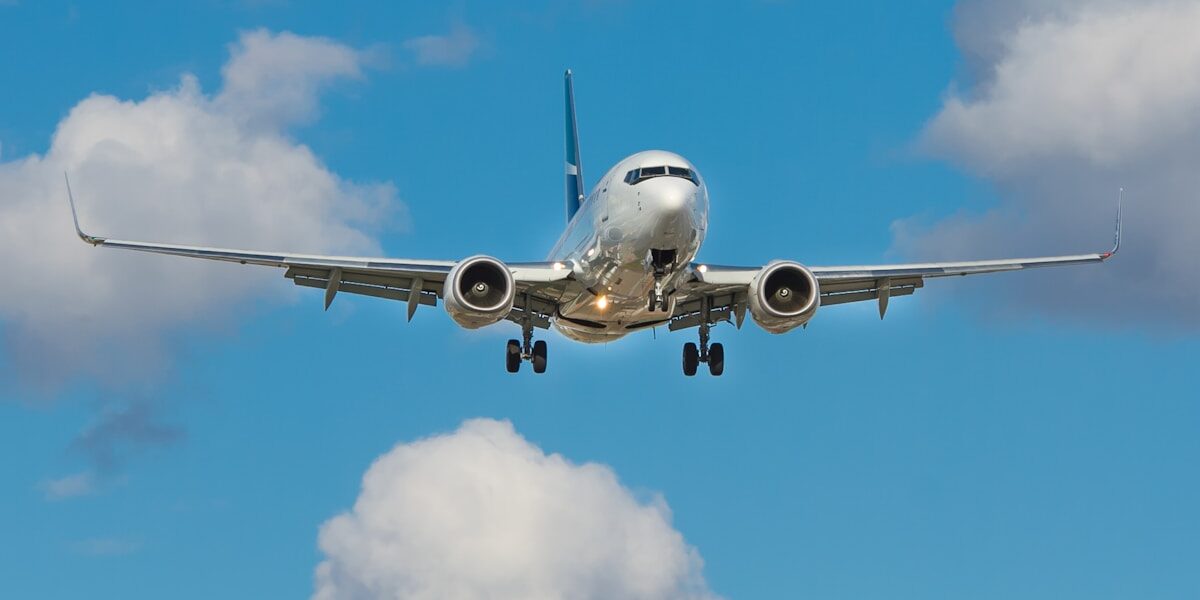
Quick answer: The Pilatus PC-12 is a pressurized, single-engine turboprop known for combining a large cabin and cargo door with the ability to operate from a wider range of runways than many business jets. “Dominates the backcountry” is too broad: runway suitability depends on aircraft weight, surface, weather, obstacle clearance, operator approval and the current aircraft flight manual. The PC-12’s real advantage is mission flexibility, not immunity from performance limits.
This guide focuses on the current PC-12 NGX while explaining why older PC-12 variants and individual configurations require separate evaluation.
What is the Pilatus PC-12?
The PC-12 is a single-engine turboprop designed and manufactured by Pilatus Aircraft. It uses a pressurized cabin, retractable landing gear and a Pratt & Whitney Canada PT6-series engine. Operators use the type for business transport, charter, cargo, medical, government and special missions.
The current NGX is the latest major production version, but the fleet includes earlier PC-12/41, /45 and NG aircraft with different weights, engines, avionics, interiors and performance. Use the exact serial number and approved documents.
Why the PC-12 serves so many missions
Large cabin and cargo door
The cabin can be arranged for executive seating, commuter-style transport, medical equipment or cargo. The large aft cargo door supports bulky items that would be difficult to load through a normal passenger entrance. Configuration changes must follow approved equipment and weight-and-balance data.
Single-engine turbine efficiency
One turbine engine reduces the number of powerplants to fuel and maintain compared with a twin. That does not make cost simple or risk negligible. Engine reserves, propeller work, scheduled inspections, avionics, pressurization, landing gear, insurance and training remain substantial.
Runway flexibility
The PC-12 can serve airports that may be unsuitable for many jets, subject to performance calculations and operating rules. Published short-field capability is not blanket authorization for unimproved or contaminated surfaces.
Pressurized cruise
Pressurization and turbine power support higher-altitude travel than unpressurized piston airplanes. Weather, icing, oxygen, pressurization failures and escape routes still require planning.
PC-12 NGX systems in practical terms
The NGX integrates modern avionics, automatic power-control features and an electronically controlled PT6E-series engine. Automation can reduce routine workload, but pilots must understand modes, limitations, abnormal indications and reversion behavior.
Training should cover:
- Engine and propeller control logic
- Electrical generation and battery-supported operations
- Pressurization and emergency descent
- Fuel balance, quantity and transfer procedures
- Landing gear and flap limitations
- Ice-protection systems and approved operating envelope
- Avionics mode awareness and coupled approaches
- Engine failure, glide and landing-site decisions
Single-engine turbine risk management
The PT6 family has extensive operational history, but no engine is incapable of failure. Route, altitude, weather, terrain, night conditions and available landing areas influence the consequences. Commercial and approved operators use training, maintenance programs, dispatch procedures and risk controls rather than relying on engine reputation alone.
A pilot should know glide performance, restart procedures, emergency descent, forced-landing planning and when a route creates unacceptable exposure. The aircraft flight manual and operator procedures control.
Backcountry and unpaved-runway claims
Some PC-12 operations include gravel or other prepared surfaces when aircraft configuration, documentation and operator approval permit. “Backcountry” can mean anything from a paved mountain airport to a short unimproved strip; those are not equivalent.
Before a runway is accepted, evaluate:
- Length, width, slope, surface and bearing strength
- Temperature, pressure altitude and wind
- Aircraft weight and center of gravity
- Obstacle clearance and missed-approach options
- Braking action, contamination and crosswind
- Propeller and airframe foreign-object risk
- Current manufacturer and operator limitations
Payload, fuel and range tradeoffs
A large cabin does not eliminate weight limits. Passenger configuration, cargo, fuel, optional equipment and individual empty weight determine payload. Long range may require leaving payload behind; full seats may require a fuel stop.
Mission analysis should use actual passenger and bag weights, reserves, alternate requirements, runway performance and expected winds. Brochure maximum range usually assumes a defined payload and conditions that may not match the trip.
Single-pilot versus crew operation
Some PC-12 operations may be conducted by one appropriately qualified pilot, depending on aircraft approval and operating rules. Legal single-pilot capability does not mean every mission is best flown that way. Weather, fatigue, workload, passenger needs, company policy and insurance may support a second pilot.
Owners should budget for initial and recurrent simulator-based training. Automation proficiency and recurrent abnormal-procedure practice are central to safe high-performance turbine operation.
Operating-cost reality
Generic hourly figures are often misleading. Annual utilization, fuel price, engine program, scheduled inspections, calendar items, insurance, hangar, crew, training and unscheduled maintenance all matter. A high-utilization commercial operator and a low-utilization owner can have very different costs per hour.
Build a current budget using the actual serial number, maintenance status, program enrollment, local labor, insurance quote and intended annual hours.
Pre-purchase and records review
- Identify exact model and serial applicability. Confirm engine, avionics, weights and modifications.
- Review maintenance tracking. Reconcile airframe, engine, propeller and component status.
- Check damage and operating history. Cargo, medical, charter and rough-field use create different inspection questions.
- Inspect corrosion and contamination exposure. Environment and mission history matter.
- Verify avionics and database support. Confirm subscriptions, equipment status and upgrade path.
- Analyze actual payload. Test the intended cabin layout, passengers, fuel and bags.
- Obtain training and insurance terms. Price them before purchase.
PC-12 versus King Air 350
The PC-12 uses one engine and emphasizes flexible cabin/cargo utility. The King Air 350 uses two engines, a larger multi-engine operating framework and different payload, crew and performance economics. The correct comparison uses route exposure, runway needs, passenger count, dispatch requirements, acquisition and total annual cost—not simply engine count.
See our King Air 350 overview for the twin-engine side of that comparison.
Frequently asked questions
Is the PC-12 a backcountry airplane?
It can support appropriately approved short- and special-surface operations, but every runway and condition requires performance and limitation checks. It is not an unrestricted bush plane.
Can the PC-12 be flown single-pilot?
Many operations use an appropriately qualified single pilot, subject to aircraft approval, operating rules, insurance and operator policy. Recurrent training remains essential.
Does the PC-12 require a type rating in the United States?
Requirements depend on aircraft certification, maximum takeoff weight and operation. Pilots should confirm current FAA and insurance requirements for the exact variant rather than relying on a general statement.
How many passengers can it carry?
Seating configuration and approvals vary. Actual passenger capacity also depends on crew, fuel, baggage, equipment, weight and center of gravity.
Sources
- Pilatus Aircraft: current PC-12 NGX overview and specifications
- Pratt & Whitney Canada: PT6E-67XP engine information
- FAA Dynamic Regulatory System: PC-12 type-certificate research
- FAA Advisory Circular 90-109A: transition to unfamiliar aircraft
For a faster compact-cabin alternative on the used-aircraft market, see our Daher TBM 940 systems and ownership guide.

Stay in the loop
Get the latest aero weenie updates delivered to your inbox.