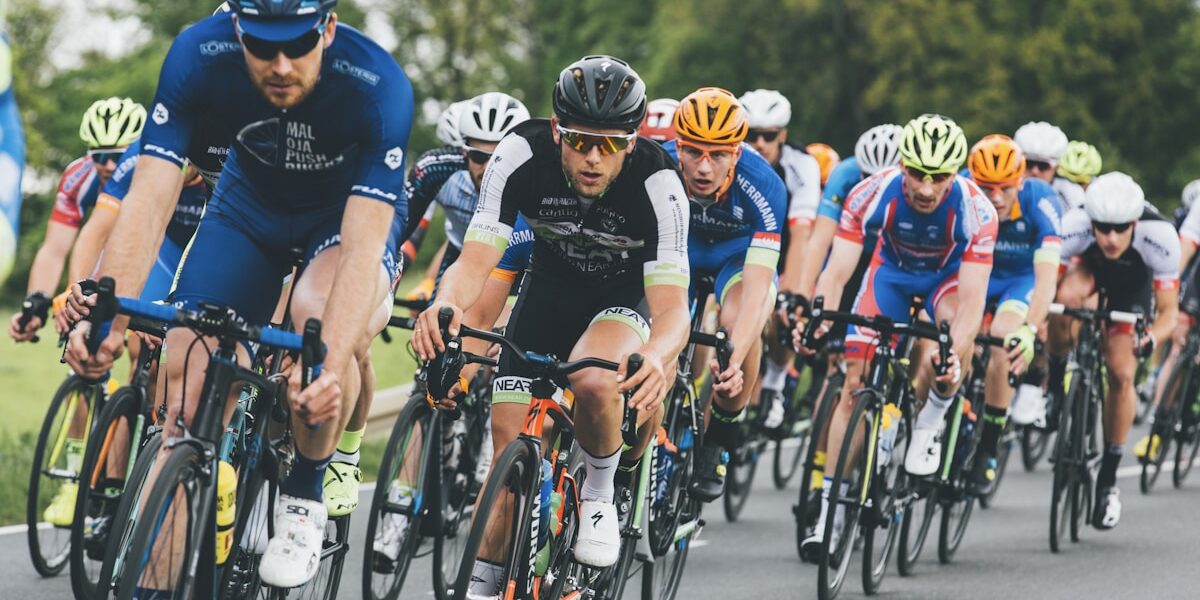
Optimizing Your Cycling Position for Aerodynamics
Your body represents 70-80% of total aerodynamic drag when cycling. No amount of equipment can overcome a poor position. Here’s how to find the balance between aerodynamics, power output, and sustainability.
The Fundamental Trade-off
The most aerodynamic position – arms extended, torso horizontal, head tucked – often compromises power output and breathing. The goal isn’t the lowest possible position, but rather the fastest sustainable position for your target event duration.
A position that saves 20 watts of drag but costs 30 watts of power output is slower, not faster.
Key Position Variables
Torso Angle
The angle of your back relative to horizontal dramatically affects frontal area. Professional time trialists achieve near-horizontal torsos (10-15 degrees), while recreational riders might be at 40-45 degrees.
Lowering your torso requires flexibility, core strength, and adaptation. Rushing this process leads to back pain and poor power transfer.
Head Position
Your helmeted head is essentially a sphere – aerodynamically terrible. Looking down puts the smooth top of the helmet forward. Looking up exposes your face and creates significant drag.
The most aero head position is “eyes forward through eyebrows” – looking ahead while keeping your head as low as possible. This requires practice to become comfortable.
Arm Position
Narrow arm positions reduce frontal area but may compromise power and handling. On drop bars, riding in the drops with elbows bent brings arms closer to the body while maintaining control.
Time trial bars allow the narrowest arm position, but proper setup is crucial. Too narrow reduces power; too wide negates aero benefits.
Shoulder Position
“Shrugging” the shoulders up and forward creates a smoother transition between helmet and back. This position initially feels unnatural but can save measurable watts.
Testing Position Changes
The only way to know if a position change is faster is to test it. Methods include:
- Wind tunnel: Gold standard but expensive and not accessible to most
- Velodrome testing: Controlled environment allows meaningful comparisons
- Field testing: Out-and-back courses in calm conditions with power meter
- Software analysis: Tools like Best Bike Split model position changes
Practical Position Improvements
Free Changes
- Ride in the drops more often
- Practice holding a lower head position
- Focus on keeping elbows bent and tucked
- Work on core strength and hip flexibility
Bike Fit Adjustments
- Lower stem position (requires adequate flexibility)
- Longer stem for more reach
- Narrower handlebars (to a point)
- Saddle position optimization
Equipment Changes
- Aero road bars (integrated designs)
- Clip-on aero bars (for time trials)
- Aero helmet (significant gains, especially time trial helmets)
The Sustainability Factor
A position must be sustainable for your event duration. Test new positions for the duration you’ll race, not just a 20-minute threshold effort.
Breathing is often the limiting factor in aggressive positions. If you can’t breathe deeply, you can’t produce power. Find the position where breathing feels unrestricted.
Progression Timeline
Significant position changes require 4-8 weeks of adaptation. Your body needs time to develop the flexibility and strength for new positions. Make changes gradually – lower your bars by 5-10mm at a time, not 30mm all at once.
The fastest cyclists balance aggressive positioning with sustainable power output. Find your personal sweet spot through testing and gradual optimization.
Recommended Aviation Resources
Pilots Handbook of Aeronautical Knowledge – $25.42
Essential FAA handbook for every pilot.
Aircraft Owners Handbook of Maintenance
Keep your aircraft in top condition.
As an Amazon Associate, we earn from qualifying purchases.


Stay in the loop
Get the latest aero weenie updates delivered to your inbox.